
(1).webp)
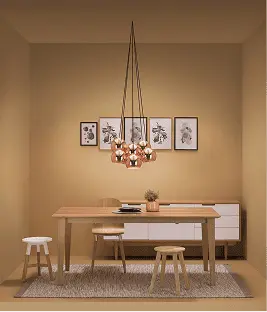

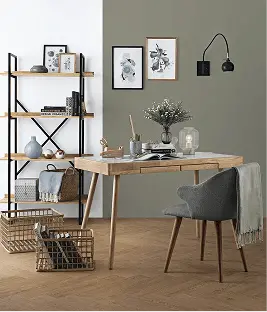
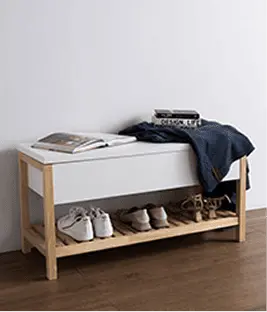
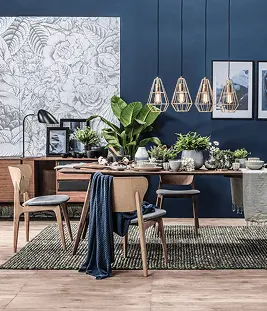
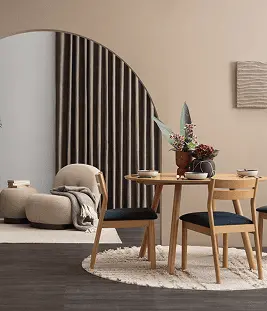

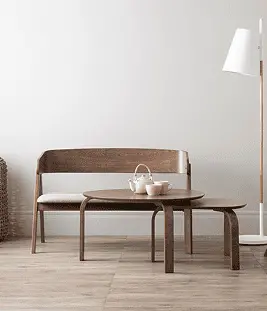
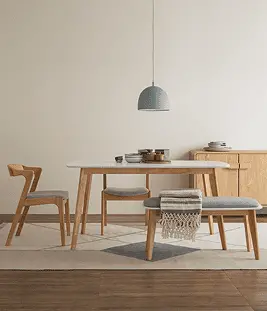
Among all the manufacturing nations of Southeast Asia, Malaysia occupies a uniquely strong position in the global furniture trade. Buyers from Australia to the United Arab Emirates, from the United Kingdom to the United States, consistently turn to Malaysian suppliers when they need furniture that combines quality craftsmanship, competitive pricing, reliable logistics, and internationally recognised quality certifications. This is not a recent development — Malaysia's furniture export industry has been building its capabilities for more than five decades, and the country's dominance in the regional market reflects deep structural advantages that competitors cannot easily replicate.
Understanding why Malaysia leads the furniture export landscape in Southeast Asia is strategically important for any B2B buyer. It explains not just where to source, but why the sourcing conditions — quality standards, pricing dynamics, lead times, logistics infrastructure, and supplier sophistication — are consistently more favourable in Malaysia than in many alternative markets.
This article examines the key structural, historical, and operational factors that make Malaysia Southeast Asia's premier furniture export hub — and what this means for B2B buyers making sourcing decisions today.
A Deep Timber Resource Base Transformed Into Manufacturing Expertise
Malaysia's furniture manufacturing advantage has its roots in the country's extraordinary natural timber resources. Malaysia is home to vast tropical hardwood forests, and sustainable plantation forestry — particularly rubber wood (Hevea brasiliensis) — has become a cornerstone of the modern furniture manufacturing sector. Rubber wood is distinctive in the furniture trade because it is dense, stable, takes finishes well, and is available in quantity as a by-product of the rubber industry. It has become Malaysia's signature furniture material and is widely recognised internationally for its quality.
This timber resource base did not just create raw material supply — it catalysed the development of a sophisticated downstream manufacturing ecosystem. Over decades, Malaysian furniture manufacturers developed expertise in timber processing, joinery, finishing, upholstery, and quality-controlled assembly. By the 1990s and 2000s, this expertise had matured to the point where Malaysian furniture was competing successfully with European and North American alternatives in premium markets. Today, the country's manufacturers produce everything from solid-timber dining collections to engineered-wood flat-pack furniture, upholstered seating, and commercial-grade hospitality furniture.
Scale of the Malaysian Furniture Export Industry
The numbers behind Malaysia's furniture export industry are significant. Malaysia consistently ranks among the top 10 global furniture exporters by value, with annual furniture and furniture-related export revenues measured in billions of US dollars. The United States, Japan, Singapore, Australia, and the United Kingdom are among the top destination markets, reflecting the sector's ability to meet the quality and compliance requirements of developed-market buyers.
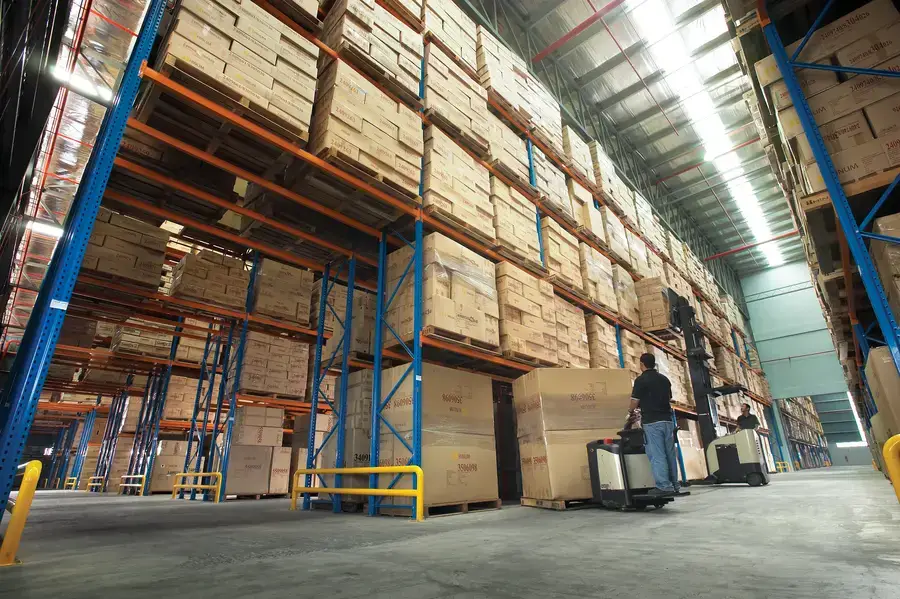
Malaysia's furniture export industry supports tens of thousands of direct manufacturing jobs and a much larger ecosystem of supporting industries — timber processing, hardware manufacturing, packaging, logistics, and design services. This scale creates competitive pricing through supplier specialisation, economies of scale, and deep inter-industry linkages. When you source furniture from Malaysia, you are accessing a manufacturing ecosystem — not just an individual factory. About HINLIM — 50+ Years in Malaysian Furniture Export.
Quality Certification Infrastructure
One of the most important competitive advantages Malaysia's furniture industry holds over lower-cost regional alternatives is its strong quality certification infrastructure. ISO 9001:2015 adoption is widespread among serious Malaysian furniture exporters. ISTA packaging standards are well understood and widely applied. For buyers supplying the US market, CARB (California Air Resources Board) compliant materials are available from established Malaysian manufacturers. For European buyers, manufacturers familiar with REACH and CE requirements are readily identifiable.
This certification maturity exists because Malaysian manufacturers have been supplying regulated markets — including the EU, Australia, and the US — for decades. They have had to comply with these requirements to maintain market access, and the resulting knowledge base is embedded in the industry's operational practices. A buyer sourcing from a certified Malaysian manufacturer like HINLIM can have reasonable confidence that the compliance requirements of their target market have been considered in the product design and manufacturing process.
Logistics Infrastructure — Ports, Freight, and Connectivity
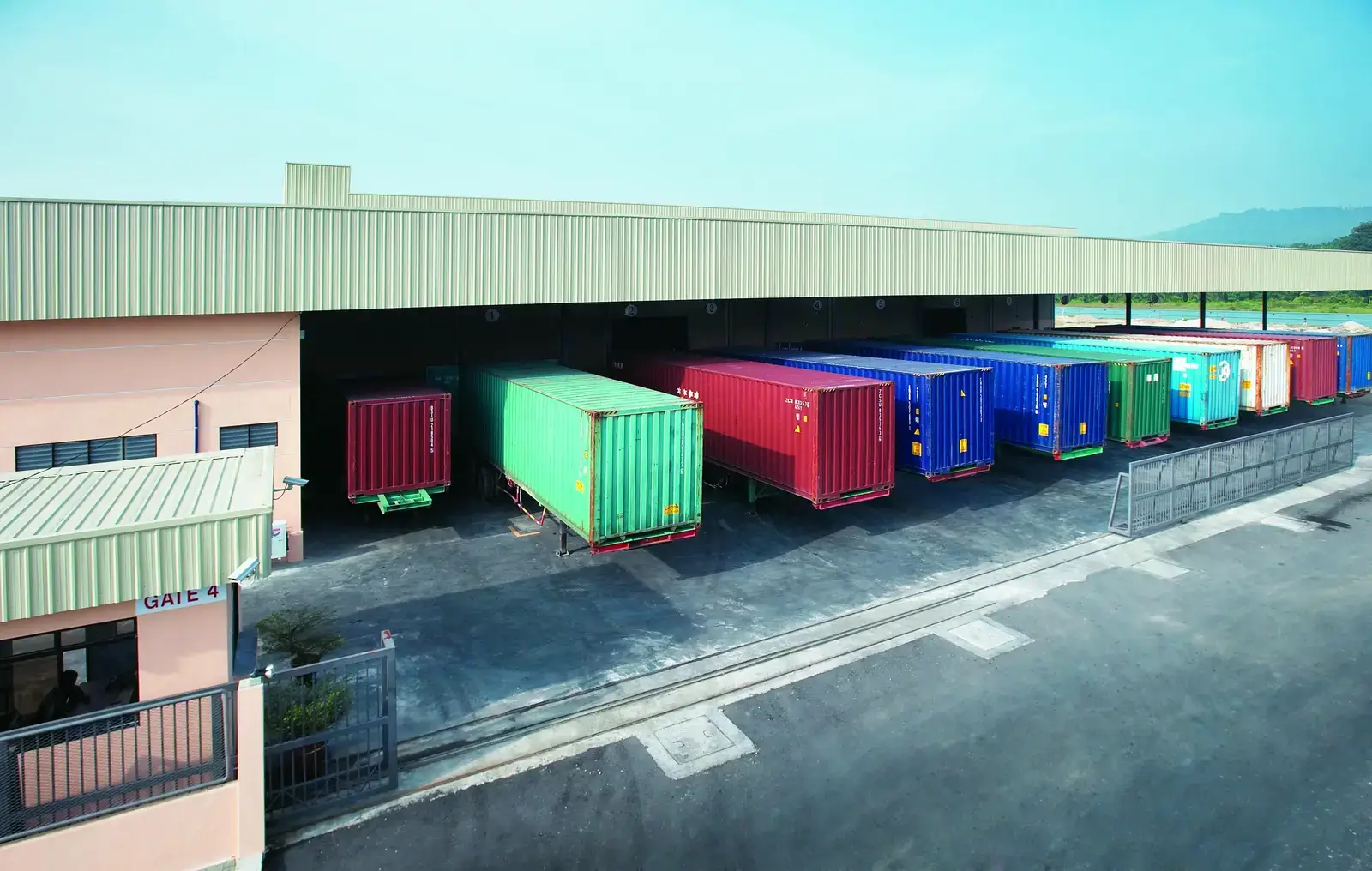
Malaysia's logistics infrastructure is a key enabler of its furniture export success. Penang Port and Port Klang are both major container shipping hubs with regular services to all major global destination markets. Port Klang is consistently ranked among the top 15 busiest container ports in the world by TEU throughput, reflecting the depth of maritime connectivity available to Malaysian exporters.
For furniture exporters specifically, this connectivity translates into competitive freight rates, regular sailing schedules, and multiple carrier options. Buyers can choose between standard FCL (full container load) shipments for large orders and LCL (less-than-container-load) consolidation services for smaller orders. Freight forwarders specialising in furniture export are well-established in Malaysia, and the logistics knowledge base within the industry is deep. HINLIM's location in Sungai Bakap, Penang places it within close proximity to Penang Port, supporting efficient despatch times for export orders. HINLIM Export Logistics and Documentation.
Government Support and Trade Agreements
The Malaysian government has long recognised furniture manufacturing as a strategic export industry and has provided sustained policy support. The Malaysian Timber Industry Board (MTIB) and the Malaysian Furniture Council both play active roles in promoting Malaysian furniture internationally — through trade shows, export development programmes, and buyer-seller matching initiatives.
Malaysia is a member of ASEAN and benefits from ASEAN Free Trade Area (AFTA) provisions, which reduce or eliminate tariffs on intra-ASEAN trade. Malaysia also has bilateral and multilateral free trade agreements with key markets including Australia, New Zealand, Japan, and India, which can reduce import duties for buyers in those markets sourcing Malaysian furniture. The Comprehensive and Progressive Agreement for Trans-Pacific Partnership (CPTPP), of which Malaysia is a signatory, extends preferential access to member markets including Canada, Australia, and Vietnam.
Supplier Sophistication — Design, Customisation, and Brand Management
Malaysia's furniture export industry has evolved far beyond commodity manufacturing. The country's leading furniture wholesale suppliers now offer a level of design sophistication, product customisation capability, and brand management expertise that rivals suppliers in Europe and North America. Malaysian companies exhibit regularly at China International Furniture Fair (CIFF), and the Malaysian International Furniture Fair (MIFF) — global trade events where they compete directly with the world's top furniture brands.
This design maturity is particularly visible in the sub-brand strategies adopted by Malaysia's largest wholesale operators. HINLIM's portfolio of five sub-brands — NestNordic, Luooma, FyndFurniture, Nesthouz, and Nuhoom — reflects a sophisticated understanding of market segmentation, buyer persona targeting, and brand positioning. For B2B buyers who want to build a differentiated product offer in their own market, this level of supplier sophistication creates genuine partnership potential, not just transactional purchasing. HINLIM Sub-Brands and Product Collections.

Why B2B Buyers Keep Coming Back
Malaysia's furniture export leadership is ultimately sustained by the quality of experience that B2B buyers have when they source from the country's leading suppliers. Consistent product quality, reliable logistics, responsive sales teams, clear documentation, and the ability to scale orders as businesses grow — these operational qualities are what turn first-time buyers into long-term partners.
HINLIM has been exporting furniture from Malaysia since 1971. More than five decades of continuous operation means that the company has navigated every cycle of the global furniture market — raw material fluctuations, shipping disruptions, exchange rate volatility, and shifting consumer design preferences — and has built systems, relationships, and operational resilience that newer suppliers simply cannot match.
Discover why globa buyers choose Malaysia for furniture sourcing.
Register a free trade account at hinlim.com to access HINLIM's full ready-stock catalogue, export documentation support, and trade pricing for buyers in 100+ countries.
Register Trade Account Start Sourcing Inquiry