
(1).webp)





One of the most consequential decisions any B2B furniture buyer makes is not which product to choose — it is which procurement model to use. Ready-stock furniture and made-to-order furniture represent fundamentally different approaches to supply chain management, each with distinct advantages, limitations, and risk profiles. Getting this decision right can mean the difference between reliable margins and chronic stock-outs; between delighting your end customers and disappointing them.
For furniture retailers, interior designers, and overseas importers, the choice between ready stock and made-to-order is rarely binary. Most sophisticated B2B buyers use both models in parallel — ready stock for fast-moving SKUs and volume commitments, made-to-order for customised projects, unique specifications, or high-value collections where a longer lead time is acceptable. The key is understanding when each model serves your business best.
This guide breaks down the operational, financial, and strategic trade-offs between ready-stock and made-to-order furniture procurement for B2B buyers sourcing from Malaysia.
What Is Ready-Stock Furniture Wholesale?
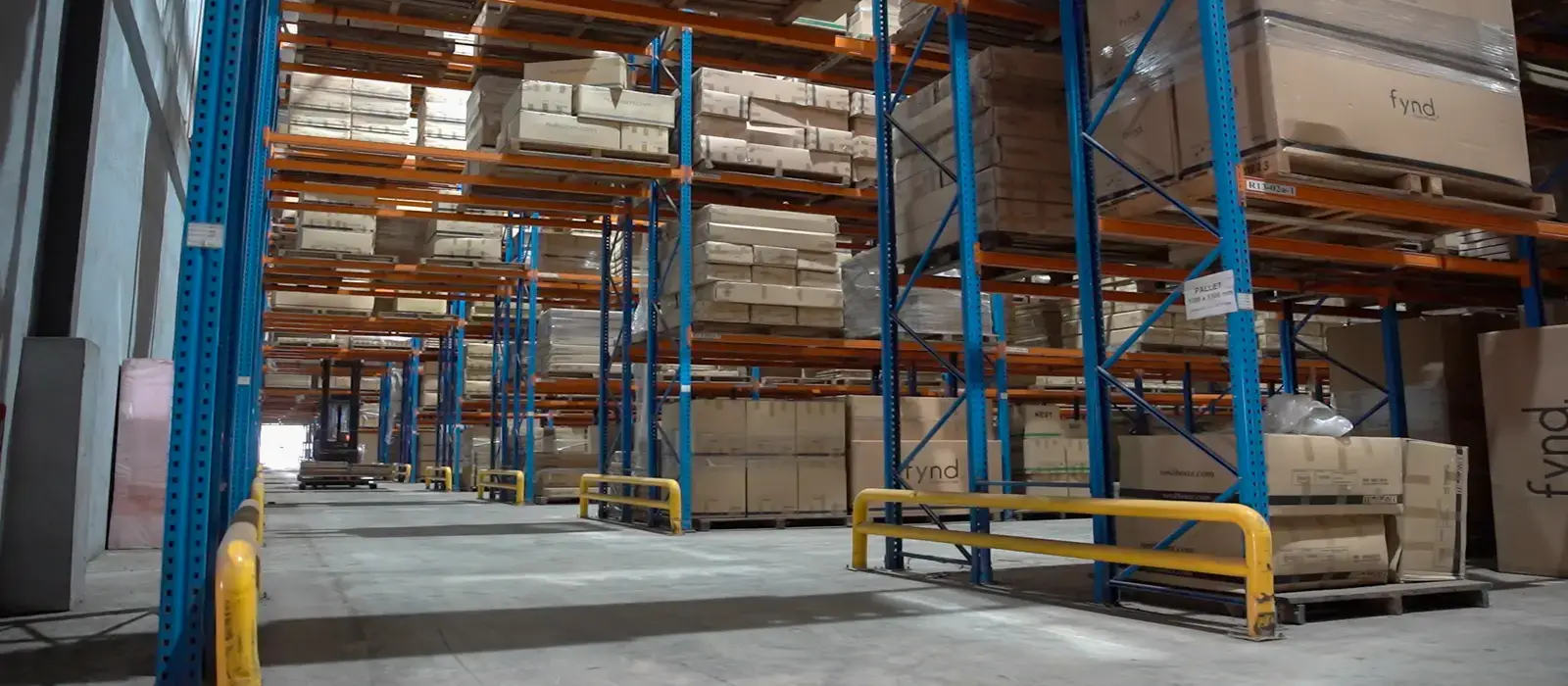
Ready-stock furniture refers to products that are manufactured, quality-checked, packaged, and held in a supplier's warehouse — available for immediate despatch upon order confirmation. The supplier bears the inventory risk, not the buyer. This model is most common among large-scale Malaysian furniture wholesale operators who have the capital and warehouse capacity to maintain deep stock across multiple product categories.
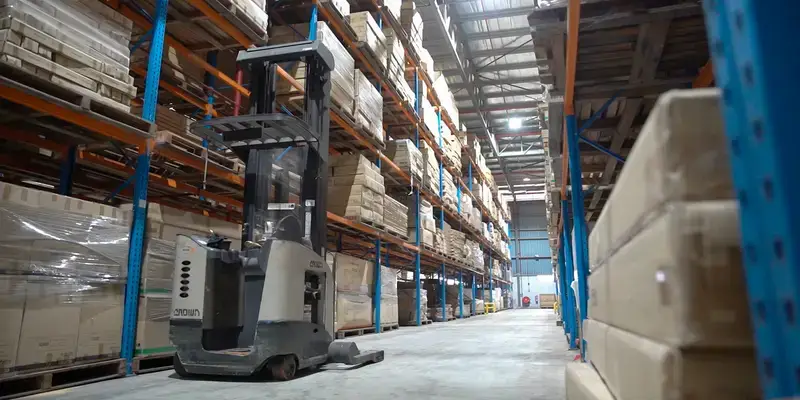
The primary advantage of ready-stock procurement is speed. Orders placed today can be despatched within days, not weeks or months. For retailers managing seasonal demand peaks, for interior designers working on projects with fixed installation dates, or for e-commerce sellers who cannot afford to list products they cannot deliver, this speed is commercially critical. HINLIM maintains over USD 8 million in ready-stock furniture across a 500,000 sq ft warehouse in Penang, representing one of the deepest wholesale ready-stock inventories in Southeast Asia. Registered trade account holders can view live stock levels and place orders for immediate processing. Browse HINLIM Ready-Stock Catalogue.
What Is Made-to-Order Furniture?
Made-to-order (MTO) furniture is produced after a buyer places an order, typically against a confirmed purchase order and deposit payment. Production lead times range from 30 days for simpler products to 90 days or more for complex custom items or large production runs. This model places inventory risk on the buyer rather than the supplier — the buyer commits capital upfront and waits for production and shipping to complete before the goods are in hand.
The made-to-order model makes most sense when buyers need custom specifications — specific dimensions, non-standard materials, proprietary colour finishes, or branded labelling. It is also appropriate when ordering in very large volumes (full-container orders or multi-container programmes) where the buyer has strong market confidence and can absorb the lead time without disruption.
Lead Time Comparison — The Real Cost of Waiting
The difference in lead times between ready stock and made-to-order is not just an operational inconvenience — it has direct financial consequences. Consider a furniture retailer who identifies a trending dining table design in April and wants to have it in their showroom for a May promotional campaign. With a ready-stock supplier, this is feasible. With a made-to-order supplier, a 45-day lead time means the product might arrive in June, missing the promotional window entirely.
For property developers furnishing new developments, the stakes are even higher. A handover schedule with contractual penalties for delay cannot wait for a furniture production run to complete. Ready-stock availability allows developers to schedule furniture delivery precisely against construction milestones. For hotel fit-outs and FF&E projects, where multiple product categories need to arrive and be installed within a tight commissioning window, ready-stock sourcing is often the only practical option for at least a portion of the specification.
The financial cost of lead time should also be considered in terms of working capital. An MTO order requires a deposit — typically 30–50% — at order placement, with the balance due before shipment. The total capital commitment is tied up for the duration of the production and shipping period. Ready-stock orders are processed faster, freeing working capital for other business investments.
| Factor | Ready Stock | Made-to-Order |
|---|---|---|
| Lead time from order | 3 Days | 30–90+ days |
| Inventory risk | Supplier bears | Buyer bears |
| Capital commitment | On despatch | 30–50% deposit upfront |
| Customisation | Standard specifications | Full customisation available |
| Unit pricing | Typically lower (mass procurement) | Depends on material and requirement |
| Quality certainty | Pre-inspected | PSI recommended |
Quality Control Implications of Each Model
Ready-stock furniture from a reputable supplier has already passed quality control. The product has been manufactured, inspected against specification, and packaged for export. What you see in the product specification is what you will receive. This reduces quality uncertainty, particularly for buyers who are unable to visit the supplier's facility before ordering.
Made-to-order furniture carries more quality-related risk for first-time orders with a new supplier. Production quality can vary between batches, particularly for complex finishes or customised components. To mitigate this risk, sophisticated buyers typically arrange a pre-shipment inspection (PSI) — hiring a third-party inspection agency to visit the factory and check a sample of finished goods before they are packed and shipped. This adds cost but significantly reduces the probability of receiving a non-conforming order. HINLIM Quality Assurance Process.
Cost and Margin Considerations
Ready-stock pricing is typically lower due to the efficiencies of mass procurement of raw materials and mass production — costs that a large-volume manufacturer can spread across a deep, pre-built inventory.
Made-to-order pricing isn’t always cheaper — it largely depends on the materials selected and the specific requirements involved. While unit costs can decrease in large-volume orders due to production efficiency, this isn’t guaranteed in every case. For buyers with consistent, high-volume demand — such as hotel chains with recurring annual orders or retailers with established best-sellers — negotiating a long-term made-to-order agreement may still offer cost advantages compared to purchasing ready stock.
The optimal strategy for most B2B furniture buyers is a hybrid model: maintaining a core range of fast-moving products sourced from ready-stock inventory for immediate availability, while using MTO arrangements for slower-moving premium lines, custom specifications, or high-volume repeating orders.
Which Model Suits Which B2B Buyer Type?
Furniture retailers benefit most from ready-stock sourcing for their core range, particularly for seasonal demand management, new store fit-outs, and promotional campaigns. MTO is suitable for exclusive or house-brand products that differentiate the retailer's offer.
Interior designers almost always need ready stock. Project timelines are fixed by client contracts, and a 60-day production lead time for a dining table that needs to be installed in three weeks is not an option. Ready-stock sourcing gives designers the flexibility to specify and procure within project schedules.
Hotel and hospitality procurement teams may use both models — ready stock for standard room furniture that needs to be available for phased openings, and MTO for signature pieces in public areas where custom specifications are worth the additional lead time.
E-commerce resellers typically need ready stock above all else. An online listing promises delivery within days or weeks — not months. Resellers who list products without confirmed ready-stock backing face cancellations, negative reviews, and potential platform penalties. Contact HINLIM to Discuss Your Procurement Needs.
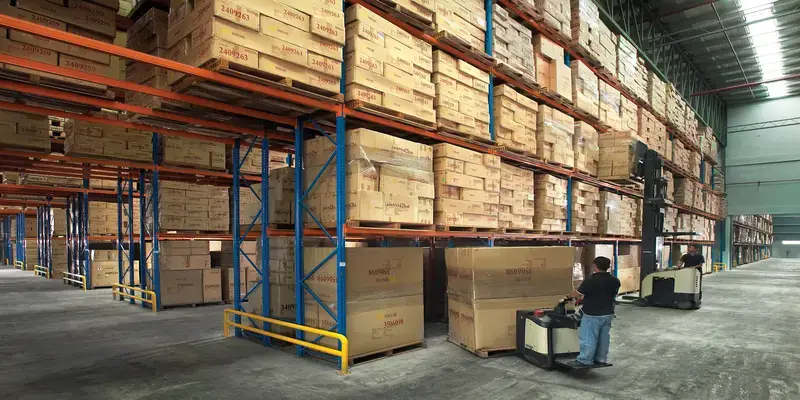
Ready stock or made-to-order — HINLIM serves both procurement models.
Register a free trade account at hinlim.com to access live stock data and trade pricing. Contact sales@hinlim.com or WhatsApp +60 12-431 7742 to discuss your procurement requirements.
Register Trade Account Talk to Sales