
(1).webp)




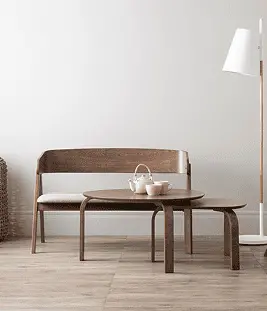
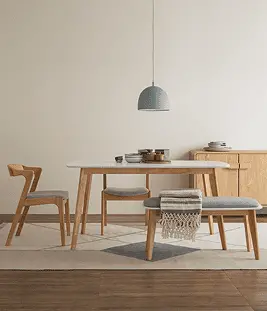
For decades, China has been the default sourcing destination for global furniture buyers. The sheer scale of Chinese furniture manufacturing, the breadth of product range, and the competitive pricing have made it an almost automatic first choice for importers worldwide. But the sourcing landscape has changed materially over the past decade, and an increasing number of sophisticated B2B furniture buyers are making a deliberate strategic choice to source from Malaysia rather than — or in addition to — China.
This shift is driven by a combination of factors: rising manufacturing costs in China driven by wage growth and regulatory compliance costs; escalating tariff risks for buyers supplying the US market (US Section 301 tariffs on Chinese goods); quality consistency concerns with lower-tier Chinese suppliers; and the growing recognition that Malaysia offers a compelling combination of manufacturing quality, competitive pricing, established export infrastructure, and regulatory compliance capability that makes it a genuine alternative to China.
Cost Comparison — The Narrowing Price Gap
China's historical cost advantage in furniture manufacturing has eroded significantly over the past decade. Chinese manufacturing wages have risen substantially, and the cost of compliance with tightening environmental and product safety regulations has added to production costs. The result is that the price differential between Malaysian and Chinese furniture has narrowed considerably for comparable quality tiers.
For buyers targeting mid-range and premium furniture quality, Malaysia is now cost-competitive with China on a product-by-product basis for equivalent specifications. The residual cost advantage China retains is most pronounced at the budget end of the market, where very high-volume, simple-design products benefit from China's extraordinary scale of production. When total landed cost is calculated — including freight, import duties, and compliance costs — Malaysian sourcing may actually be cheaper than Chinese sourcing for buyers in certain markets. For US importers, Section 301 tariffs of 25% on Chinese furniture have dramatically changed the cost calculus.
Quality — Where Malaysia Has a Structural Advantage
Quality is perhaps the most significant differentiator between Malaysia and China as furniture sourcing destinations in the accessible, mainstream quality tier that most B2B buyers are working within. Malaysia's furniture quality advantage in the mainstream tier is driven by several structural factors.
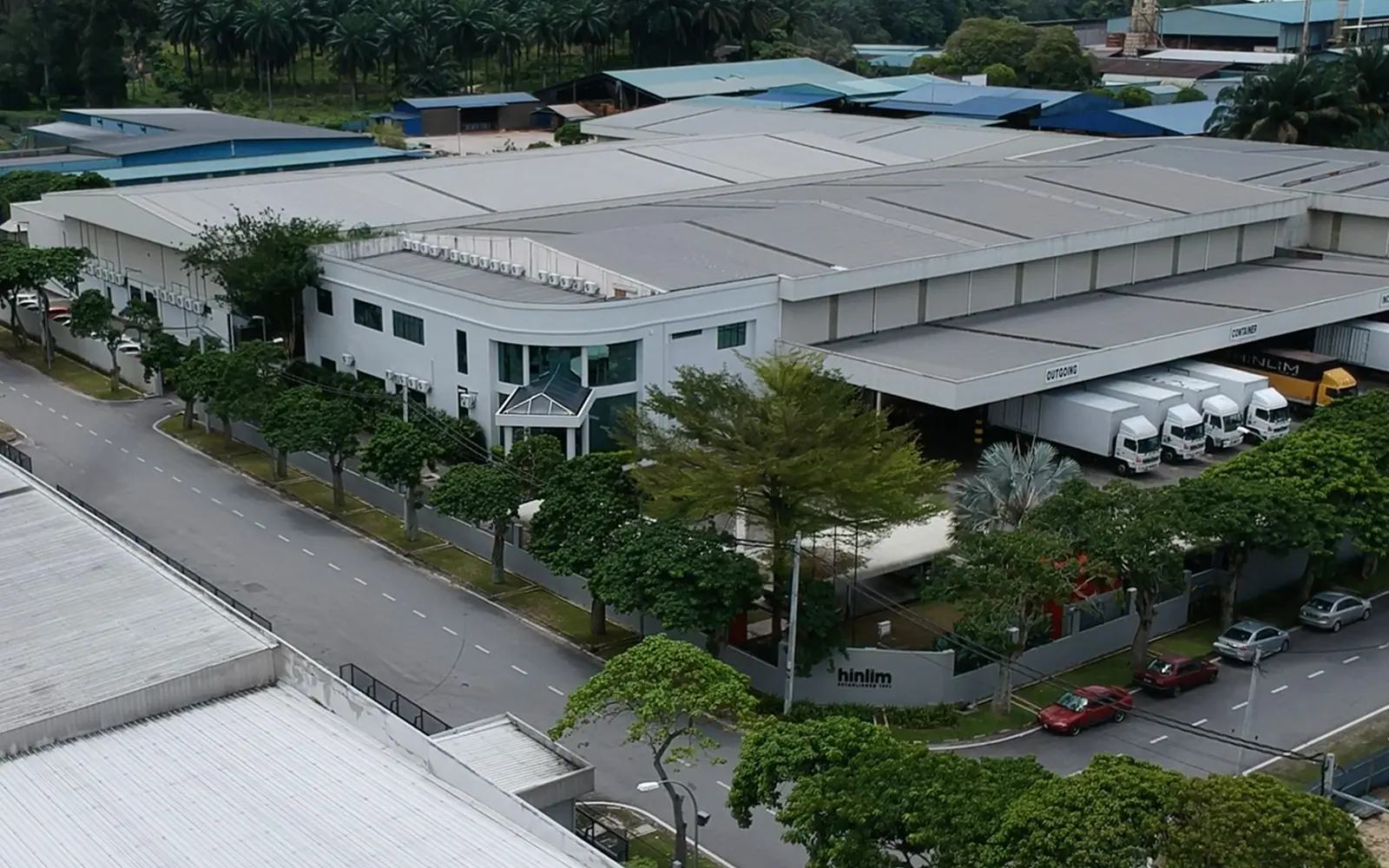
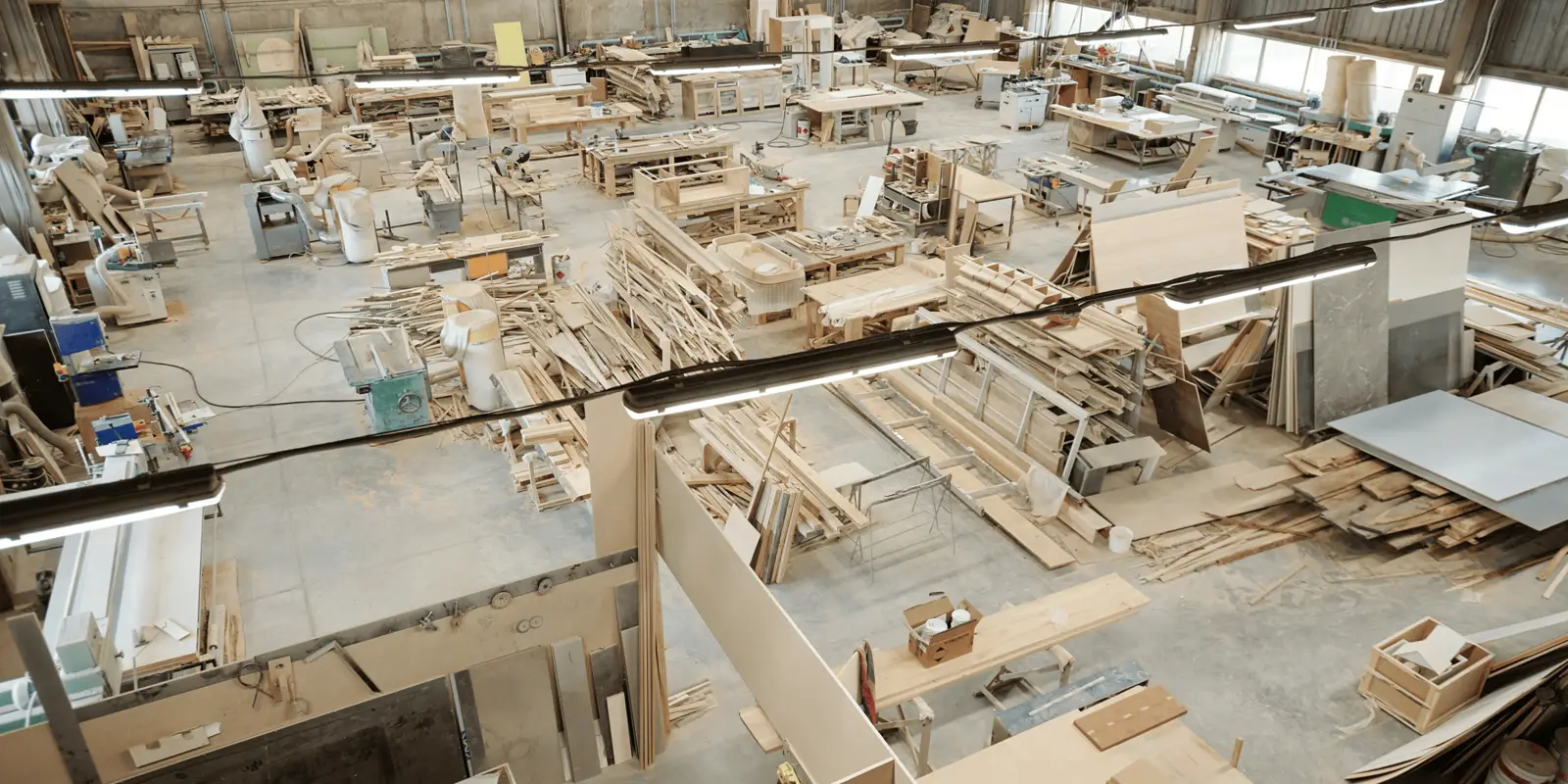
First, Malaysia's rubber wood is a genuinely high-quality furniture material — dense, stable, with attractive grain characteristics — available in quality-controlled grades from plantation forestry. China's domestic timber supply is more variable, and many Chinese furniture manufacturers rely on imported timber (including from Malaysia), adding cost and quality uncertainty. Second, ISO 9001:2015 adoption is high and genuinely meaningful among Malaysia's established furniture exporters. Third, Malaysia's smaller scale relative to China means that many Malaysian furniture factories operate more boutique production runs with closer quality supervision. HINLIM's ISO 9001:2015 certification and ISTA packaging standards represent this quality commitment at an operational level.
Lead Times — Ready Stock Changes the Equation
China's furniture supply lead times — particularly for made-to-order production runs — have been subject to significant volatility over recent years, driven by COVID-related disruptions, port congestion, and manufacturing capacity constraints. Malaysia's freight infrastructure and supply reliability have been more stable. Penang Port and Port Klang offer regular, reliable services to all major global markets with predictable transit times.
More importantly for buyers who have shifted to ready-stock sourcing models — which an increasing number of sophisticated B2B buyers have done in response to global supply chain volatility — Malaysia's leading wholesale operators hold significant ready-stock inventory that can be despatched within days. HINLIM's USD 8M ready-stock inventory is a direct response to the needs of buyers who can no longer accept 45–90 day production lead times.
Trade Compliance and Tariff Risk
Trade compliance is an increasingly important sourcing decision factor, particularly for buyers supplying the US, EU, and Australian markets. China-sourced furniture faces significant and ongoing tariff risk in the US market through Section 301 tariffs, which have been in place since 2018 and show no immediate prospect of removal. At 25% for most furniture HS codes, these tariffs represent an enormous landed cost premium for US importers sourcing from China.
Malaysian furniture enters the US at MFN duty rates of 0% for most wooden furniture categories. This alone creates a substantial cost advantage for Malaysian-sourced furniture in the US market. For US importers who shifted from Chinese to Malaysian sourcing in response to Section 301 tariffs, the combination of 0% duty and competitive FOB pricing has delivered significant margin improvement.
| Factor | Malaysia | China |
|---|---|---|
| US Import Duty (Wooden Furniture) | 0% MFN | 25% Section 301 |
| Primary Timber Material | Rubber wood (plantation) | Variable; often imported |
| ISO 9001 Adoption | High among exporters | Variable by factory tier |
| Ready-Stock Availability | USD 8M at HINLIM | Mainly MTO at scale |
| Freight to Australia | 12–18 days (Penang) | 18–25 days (major ports) |
| CPTPP Membership | Yes — 0% to AU, CA, JP | No |
Supply Chain Diversification — The Strategic Case for Malaysia
Beyond the specific cost, quality, and lead time comparisons, an increasing number of global B2B furniture buyers are adding Malaysia to their supply chain portfolio as a deliberate diversification strategy. The pandemic-era disruptions demonstrated the commercial risk of over-concentration in any single sourcing market — buyers who sourced exclusively from China found themselves with no supply alternatives when Chinese factories were closed or shipping lanes were disrupted.
Malaysia provides a high-quality, commercially credible alternative source that can serve as either a primary supply market or a supply-chain hedge for buyers who continue to source significant volumes from China. The logistics of managing a dual-country supply chain are minimal when working with established exporters who have the systems and documentation capability to support multi-market buyers efficiently.
Summary — When to Choose Malaysia, When to Choose China
Choose Malaysia when quality consistency, regulatory compliance documentation, US market tariff efficiency, supply chain reliability, or ready-stock availability are primary procurement criteria. Choose China when operating at the absolute budget end of the market where price is the only decision variable, or when product specifications require China-specific manufacturing capabilities.
For most B2B furniture buyers operating in the mainstream and above, Malaysia offers a sourcing proposition that is materially superior to China across the dimensions that matter most to business performance.
Ready to make Malaysia your primary furniture sourcing market?
HINLIM has been exporting furniture to global buyers for over 50 years. Register a free trade account at hinlim.com. Contact sales@hinlim.com or WhatsApp +60 12-431 7742.
Register Trade Account Start Sourcing Inquiry